Honors Physics I - 2 Force and Motion
Honors Physics I - 2 Force and Motion
Relative Motion
Galilean transformation :
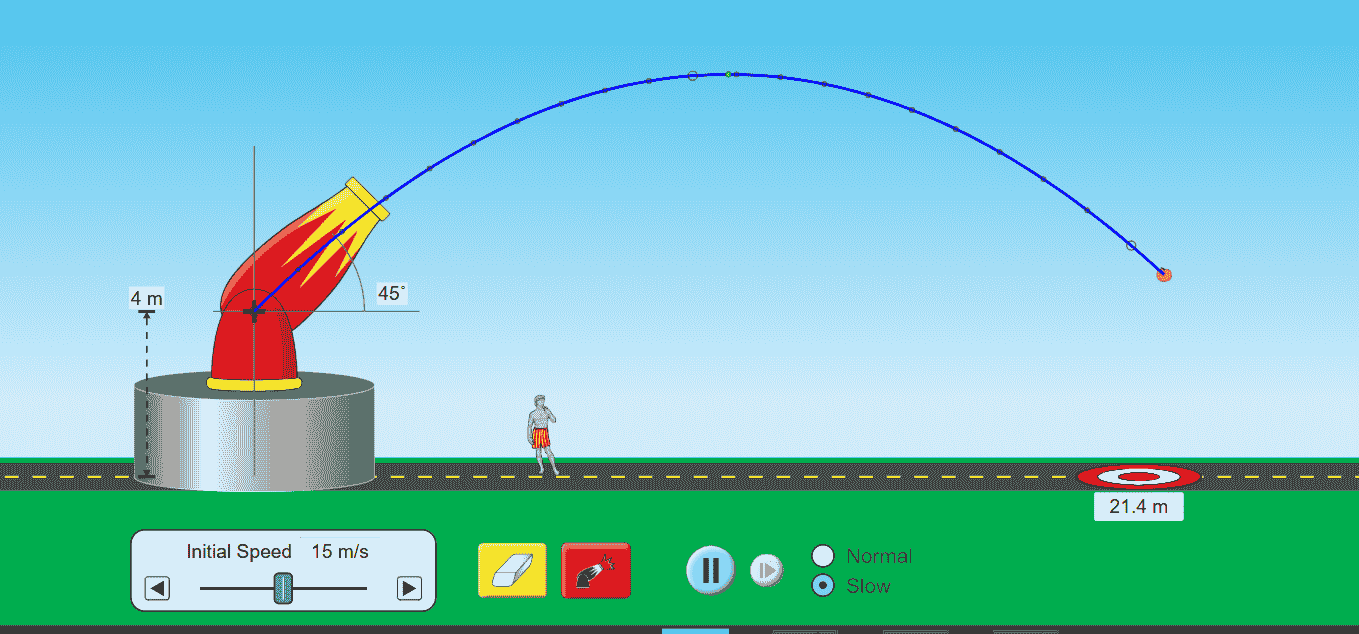
Projectile motion
Uniform Circular motion
*Basic Calculus
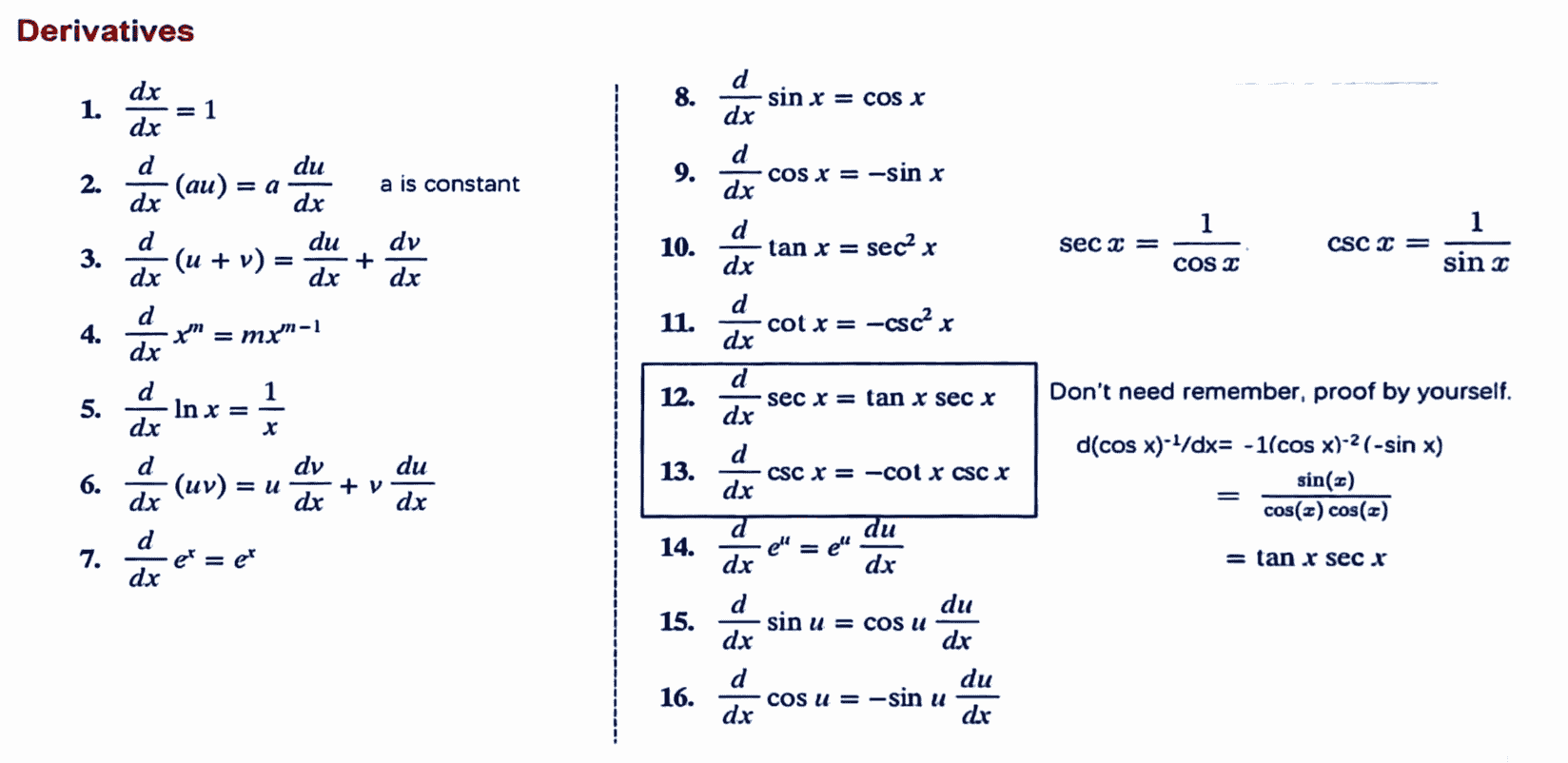
Derivative
Some examples :
Proof :
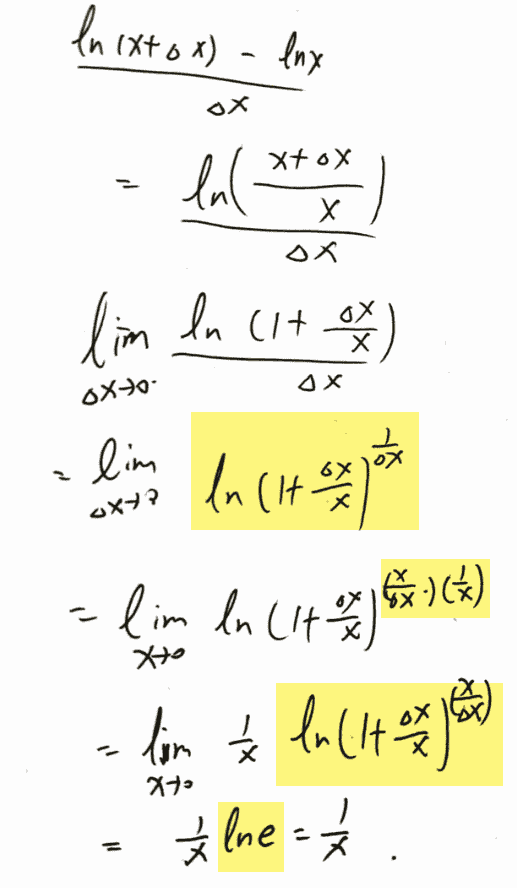
Note that :
For :
Therefore : (Try!)
- Chain Rules
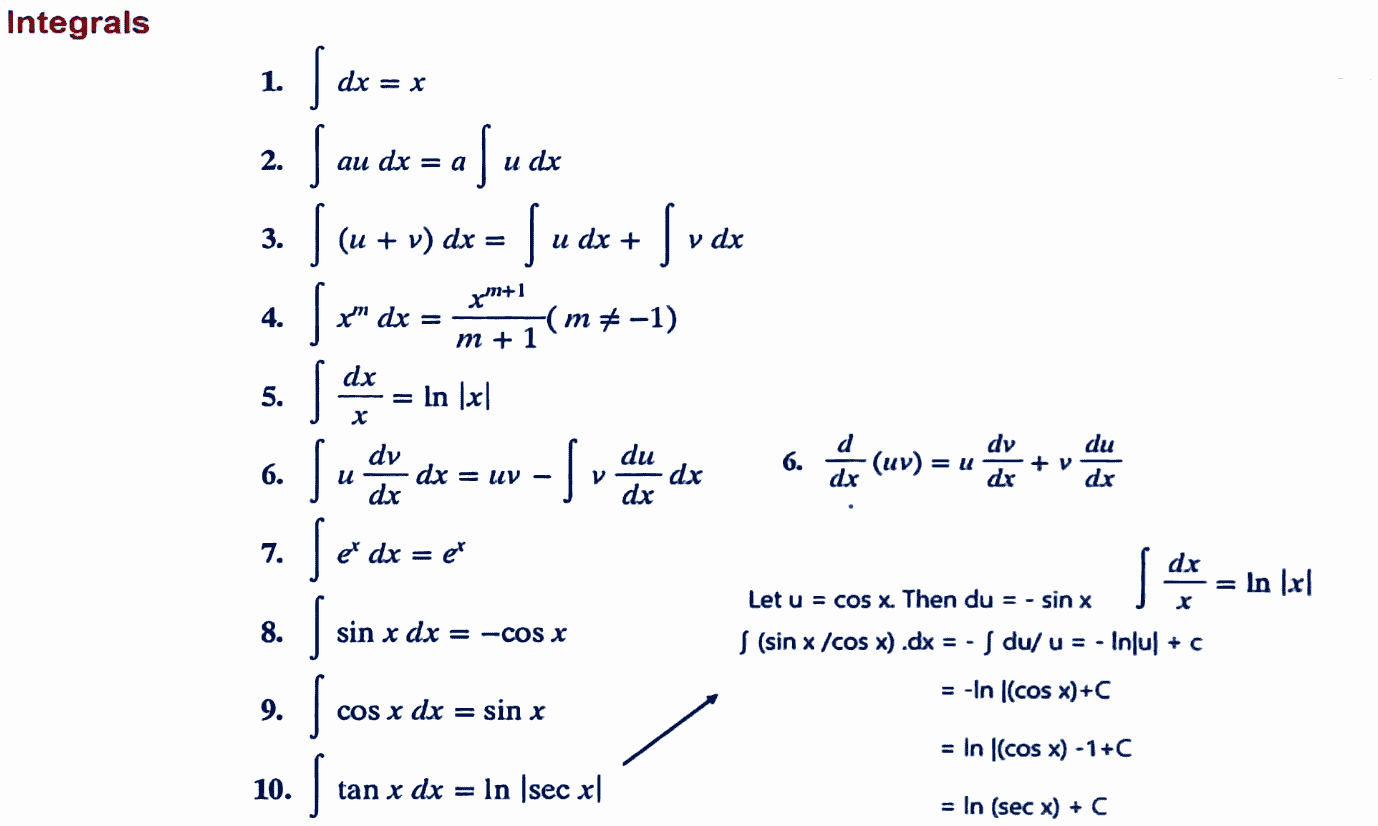
Integration
Use the partition. Fundamental Theorem of Calculus :
Force and Emotion
-
Newton’s first law : If no force acts on a body, the body’s velocity cannot change; that is , the body cannot accelerate (Works in inertial reference frame)
-
Newton’s second law : The net force on a body is equal to the product of the body’s mass and its acceleration.
Unit : N (Newton)
Internal force is the force between two objects in the system.
Remember to put the total force and direction (or the vector or even draw or figure) for you answer
Special Force
- Gravitational force
- Normal force
- Friction and tension (a cord pulled taut)
- Newton’s third law : When two bodies interact, the forces on the bodies from each other are always equal in magnitude and opposite in direction
Friction
Resistivity : 电阻 (superconductor)
- static frictional force
- kinetic frictional force
Why the maximum static frictional force is a bit larger than the kinetic frictional force :
When the body is static, it is more likely to track at the lower potential
is the coefficient static friction.
The Drag Force and Terminal Speed
An empirical law of fluid, the drag force is
Where :
- is the relative velocity
- is the air density (mass/volume)
- is the experimentally determined drag coefficient
- is the effective cross-sectional area of the body (the area taken perpendicular to the relative velocity)
In reality, is not constant for all values of .
For a falling object :
In this case : , which is called the terminal speed
Uniform Circular Motion